About SoSafe and Rationale

What is SoSafe?

A set of visual and conceptual tools, the SoSafe Framework has been developed to promote social and sexual safety for people with disability, their supporters, and communities.

Developed in Canberra over 25 years ago by two specialist school teachers, SoSafe remains an essential resource for creating social and sexual safety. SoSafe version three expands and builds on the framework of the previous two editions.

By reframing disability through a rights-based lens that affirms capability, dignity, and sexuality, SoSafe prevents violence against people with disability. The Framework provides a foundation for lifelong relationships and sexuality education, while acknowledging that relationships are learnt about in relationships. Safe relationships are a protective factor in promoting safety and a foundation for healthy self-esteem and a sense of empowerment.

Core Elements of SoSafe

Four core elements create the SoSafe Framework:

Consistent Language

This includes definitions for key concepts, such as ‘Friend is someone I know, like and help’. To ensure definitions are easily understood and memorable, most use easy English and a three-element structure.

Consistent Tools

Three tools are fundamental to the implementation of SoSafe: the Talk Touch Triangle, Steps to Relationship, and the People and Relationships Book.

Consistent Rules

SoSafe rules focus on safety, not morality. They include naming types of touch such as ‘side hug and handshake’, asking for consent before touching someone, and reaffirming that friends need to be voluntary and mutual.

Consistent Practices

Across an organisation, consistent SoSafe practices could include ensuring that all people with disability have three OK Helpers they can talk to about any worries or concerns.

How SoSafe Works

Informed and established within the social model of disability rather than the medical model, the SoSafe Framework aims to create cultures of social and sexual safety. This is achieved by encouraging organisations and systems to stop the perpetuation of violence and remove barriers that create disadvantage, while ensuring SoSafe's consistent language, tools, rules, and practices are embedded in their operations, activities, and values.

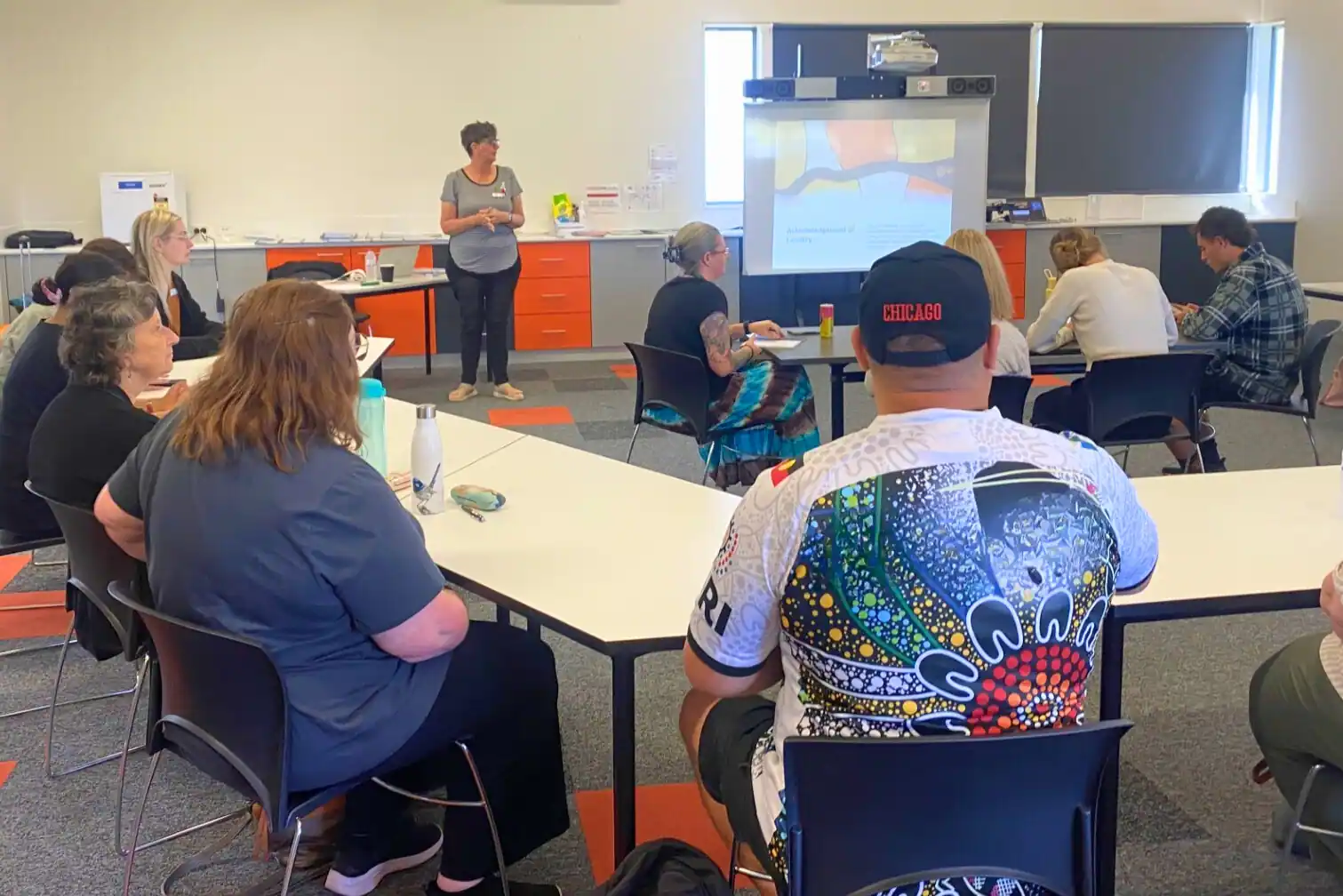
Group of adults seated around tables in a classroom, listening to Sue standing and presenting in front of a screen.

Links to SHFPACT and Safer Me Safer You

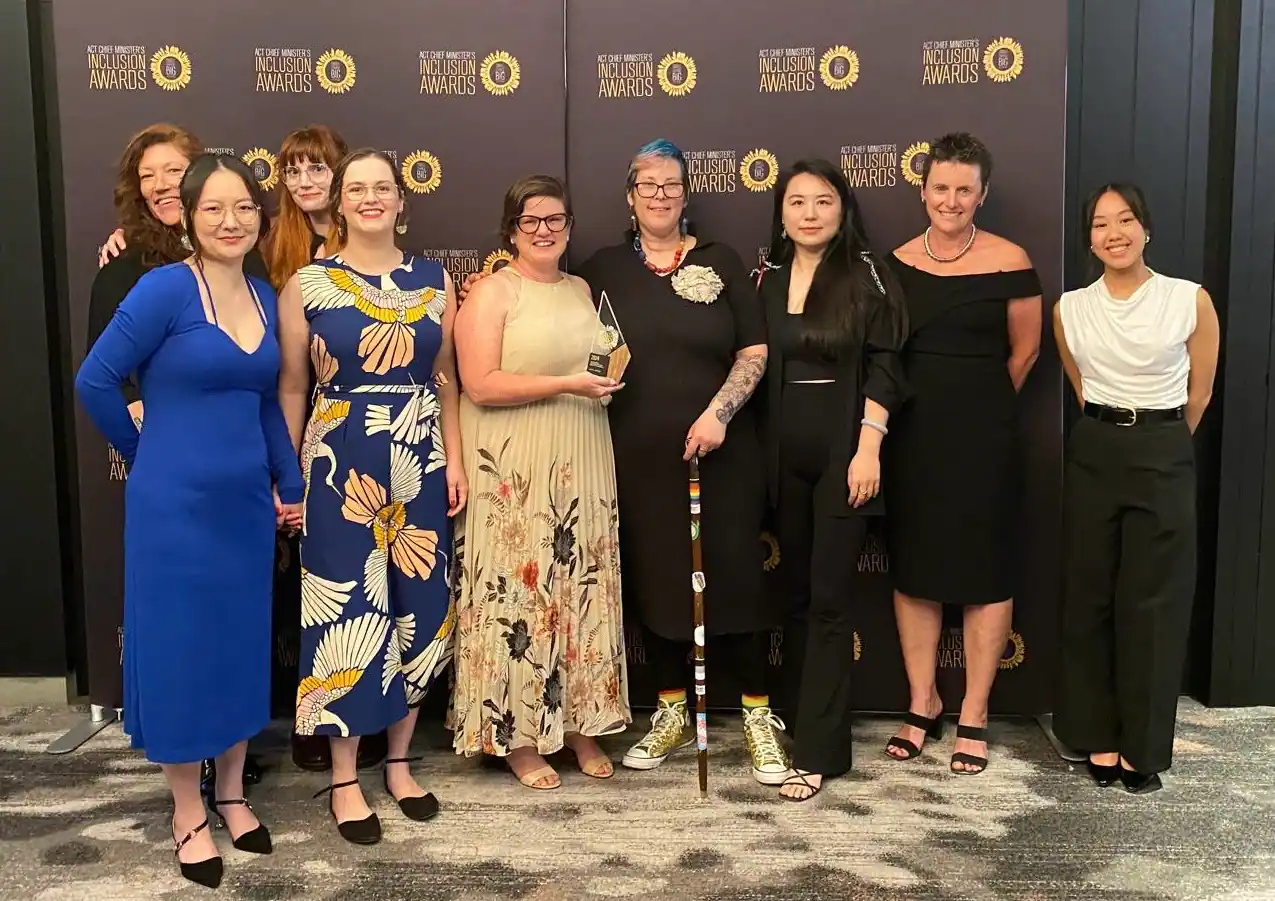
Some of the project advisory group for Safer Me Safer You, and some of the SMSY and SHFPACT team holding a glass award and smiling at the camera.

For 50 years, Sexual Health and Family Planning ACT (SHFPACT) has provided clinical, training and education services in Canberra and the region to improve sexual and reproductive health outcomes for many people in our community. SHFPACT has been delivering SoSafe training for nearly 25 years!

SoSafe is a product of SHFPACT. The SoSafe refresh is led by the Safer Me Safer You (SMSY) team. Visit the Safer Me Safer You website for more information.

Sexual Health and Family Planning ACT (SHFPACT) are the owners of the SoSafe Framework.

SoSafe® is a Registered Trademark and can only be used to describe materials and training programs approved by the authors of the SoSafe® Framework.

The SHFPACT office is located on the land of the Ngunnawal and Ngambri people. We pay our respects to their Elders past and present. We acknowledge all Aboriginal and Torres Strait Islander Traditional Custodians of Country and their continuing connection to land, sea, culture and community. We encourage any First Nations visitors to this site to share their voice with the project by contacting us.

logo with two human-like figures beside SHFPSCT above sexual health and family planning ACTAustralian Aboriginal Flag where the top half is black and the lower half is red with a yellow circle in the centre.Torres Strait Islander Flag with the green panels at the top and bottom, black lines dividing the panels, a white traditional headdress Dhari at the centre and underneath the Dhari a white five-pointed star.Imposed from the left on six horizontal stripes of red, orange, yellow, green, blue, and purple, is a chevron that starts with a field of yellow superimposed with a purple circle followed by angled stripes of white, pink, light blue, brown, and black.Disability pride flag which is charcoal grey with a diagonal band from the top left to bottom right corner, made up of five parallel stripes in red, gold, pale grey, blue, and green
© Published by Sexual Health and Family Planning ACT 2025
Privacy on Our Website and Disclaimer